
How to Prioritize Renovation Projects Based on Your Budget?
- Four criteria should guide your renovation order: structural urgency, safety, energy efficiency (ROI), and impact on comfort or property value.
- With a small budget (under $5,000), focus first on what is invisible but vital: the roof, the structure, and targeted insulation.
- A phased renovation approach significantly reduces the risk of budget overruns compared to making decisions on the fly.
- Energy efficiency experts recommend always insulating before upgrading a heating system, otherwise, you’ll end up paying to heat a drafty home.
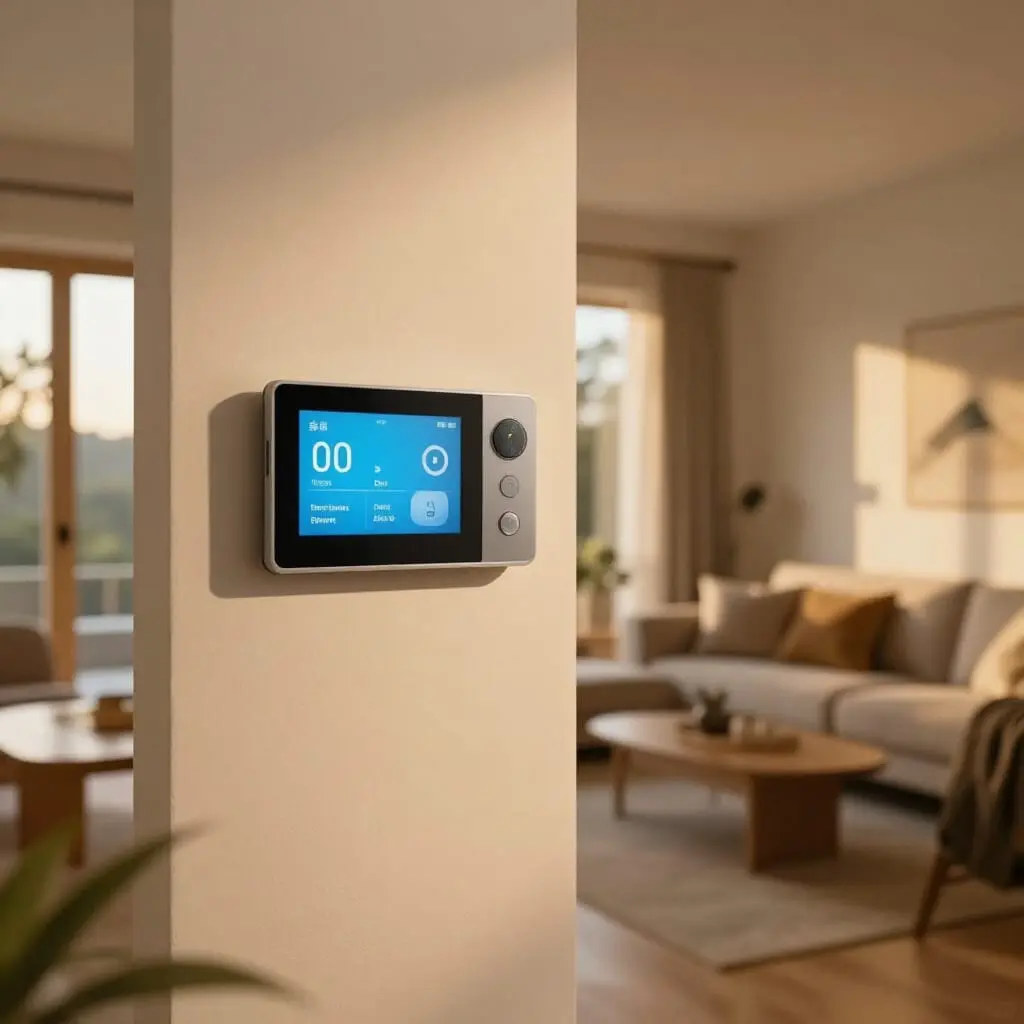
- Smart home devices (thermostats, sensors, smart plugs) are low-cost optimization tools; they should be integrated after structural work, not before.
Prioritizing renovation projects based on your budget means classifying tasks not by what you want, but by four objective criteria: structural urgency, occupant safety, energy ROI, and impact on comfort or property value. In practical terms, this means tackling anything that threatens the building’s integrity or safety (roof, electricity, moisture) first, followed by what offers the best financial return (insulation, heating), before ever touching aesthetics. This method prevents the most expensive mistake in renovation: remodeling a kitchen before fixing a leak that will eventually ruin it. This guide details how to apply this framework whether your budget is tight, mid-range, or comfortable.
The 4 Criteria That Should Decide, Not Your Desires
Most renovation projects spiral out of control because the order of work follows aesthetic preferences rather than financial and technical logic. Before listing what you would like to do, you must evaluate every item through four successive filters.
The first filter is structural urgency: a growing crack, a roof frame weakened by moisture, or a leaking roof. These issues never improve with time; they get worse, and the cost of repair increases with every season you delay. A sagging floor, for example, must be addressed before you even think about installing the bathroom you wanted to put on top of it.
The second filter is occupant safety: up-to-date electrical installations, functional mechanical ventilation, and a boiler that doesn’t pose a carbon monoxide risk. These items are rarely visible in daily life, so they are often relegated to the bottom of the list, even though they dictate whether a home is compliant and—in the event of a resale—whether mandatory safety diagnostics will pass.
The third filter is energy ROI (Return on Investment), which is the ratio between the project cost and the savings generated on your utility bills. Insulating an attic almost systematically tops this list because it limits heat loss through the top of the building for a relatively modest investment.
The fourth filter, which is often the only one incorrectly considered, is impact on comfort or property value: kitchens, bathrooms, and flooring. These projects are legitimate and highly anticipated, but they must come after the first three filters; otherwise, you risk having to redo them if a structural issue or a leak occurs later.
Small Budget: Under $5,000 – Target the Invisible Before the Visible
With a tight budget, every dollar must produce a measurable effect, either by preventing degradation or by reducing recurring costs. The rule is simple: do not touch aesthetics until the structure and the thermal envelope have been secured.
In this budget range, three projects consistently top the recommendations: sealing thermal leaks (attic insulation, weatherstripping existing windows and doors), treating localized issues (leaks, cracks, rising damp) before they worsen, and upgrading safety equipment (smoke detectors, non-compliant electrical panels). Energy efficiency experts emphasize a crucial point often overlooked: insulate before changing your heating system. Replacing a boiler in a poorly insulated home is essentially paying for high-performance equipment just to compensate for heat loss that will persist.
With a budget of this size, it is better to complete a single task correctly than to spread the funds across several superficial projects. A concrete example: dedicating your entire budget to attic insulation rather than repainting two rooms will produce a measurable impact on your energy bills by next winter, whereas paint has zero effect on your monthly expenses.
Low-cost smart home levers, such as a smart thermostat or smart plugs that allow you to turn off heating or standby power remotely, can supplement this budget at the end of the list: they optimize the use of an existing installation, but they can never replace a lack of insulation or structural flaws.
Mid-Range Budget ($5,000 to $15,000): Building a Phased Plan
This budget level allows you to move beyond simply managing emergencies and start a true phased renovation strategy. The challenge is no longer choosing a single item, but ordering several projects in a logical sequence so you don’t find yourself stuck halfway through due to a lack of funds for the next phase.
The generally recommended sequence follows the building envelope from the outside in and from technical needs to aesthetics: a full diagnostic, insulation (attic, then walls depending on heat loss zones), ventilation, and only then heating and windows/doors. This order follows physical logic: ventilating before insulating prevents trapping moisture inside the home, and insulating before changing the heating prevents over-sizing new equipment for a building that is still leaking heat.
A mid-range budget is also the right time to focus on rooms used for intensive daily use, particularly the bathroom, which impacts daily comfort far more than a kitchen used intermittently. The recommended sequencing in this case is structure, then daily usage, then aesthetics: first treat a sagging floor or a leak, then the functionality of the bathroom, and only lastly the kitchen—which is often perceived as a priority even though it is neither structural nor used as frequently on a daily basis.
Spreading these works over several months, or even two budget years, allows you to manage cash flow without sacrificing the project’s coherence, provided you set the order of phases at the start rather than deciding project by project.
Comfortable Budget ($15,000 and up): Aim for Global Renovation and Maximum ROI
Beyond $15,000, the question is no longer “what can I afford?” but “which sequence of work maximizes the total return on investment,” whether in terms of energy savings or property value upon resale.
At this level, a holistic approach becomes relevant: treating the thermal envelope as a whole (wall insulation, attic insulation, and replacing inefficient windows/doors), modernizing the heating system once the envelope is treated, and then renovating high-value rooms like the kitchen and bathroom. Rigorous planning at this scale significantly reduces the risk of budget and timeline overruns compared to a succession of piecemeal decisions, as it allows you to anticipate interdependencies between trades (for example, not remodeling plumbing before the bathroom layout is finalized).
This is also the budget that allows you to integrate a coherent smart home layer rather than isolated gadgets: room-by-room heating control, centralized control of shutters for thermal inertia, or water leak detection linked to an automatic shut-off valve. These devices make real sense once the envelope and heating system are optimized, as they allow you to fine-tune a high-performance installation rather than trying to compensate for unaddressed heat loss.
A comfortable budget does not exempt you from prioritizing: even with sufficient means to do everything at once, respecting the order of structure, then energy, then comfort prevents costly rework—such as having to reopen a freshly finished wall for a reason that should have been anticipated earlier.
The 3-Filter Method for Choosing Between Competing Projects
When faced with a budget that won’t cover everything, it is useful to apply a quick sorting method to every candidate project by answering three questions in order.
Can this project wait without getting worse? An evolving crack, a leak, or electrical non-compliance answers “no”: these degrade over time and cost more to fix later. An aesthetically dated but functional kitchen answers “yes”: it can wait without additional risk.
Does this project generate recurring savings or avoid a future expense? Insulation, ventilation, and an appropriate heating system answer “yes,” with a measurable effect on bills from the very first season. Replacing aesthetic tiling answers “no”: it has no effect on your running costs.
Does this project affect intensive daily use? The bathroom and kitchen, used multiple times a day, should take precedence over rooms used occasionally, such as a guest bedroom or a secondary office.
A project that answers “no” to all three questions can safely be pushed to a later budget phase, even if it was at the top of your initial wish list. Conversely, a project that answers “yes” to at least two of the three questions deserves to be moved up in the sequence, regardless of its aesthetic appeal.
Common Mistakes That Sink Your Renovation Budget
Certain prioritization mistakes occur frequently enough to be identified and avoided from the start.
The first is starting with heating before insulation. Installing high-performance equipment in a poorly insulated home is essentially paying for performance that the walls and roof will let escape—experts summarize this as the risk of “heating the outdoors” when the envelope hasn’t been addressed first.
The second mistake is treating rooms based on their aesthetic appeal rather than their actual usage. The kitchen often tops the wish list, whereas the bathroom—used daily by all occupants—or the floor structure supporting it has a much more direct impact on day-to-day comfort.
The third mistake is failing to set aside a safety margin in the initial budget. A renovation, even a well-prepared one, almost always reveals surprises once the walls are opened: non-compliant wiring, a weakened beam, or a pipe that needs replacing. Not reserving a margin forces you to stop the project or sacrifice a planned phase, which often costs more than an anticipated contingency fund.
The fourth mistake is spreading out the work without defining the order of phases in advance. Spreading a budget over several years is a healthy strategy, but only if the sequence is fixed from the start; deciding project by project, based on whims or sales opportunities, often leads to costly rework, such as reopening a newly renovated wall to run a forgotten cable.
Where Smart Home Tech Fits into Intelligent Prioritization
Connected devices are not intended to replace structural work, but they can optimize a budget once essential priorities are met, or complement an energy renovation project at a low cost.
A smart thermostat, for example, is regularly among the most profitable levers when combined with existing insulation: it allows you to control heating room by room and avoid heating an empty house, for an investment that is a fraction of the cost of insulation or window replacement. Conversely, installing a smart thermostat in a home with poor insulation only provides marginal gains, as heat loss will continue to absorb a large portion of the energy consumed.
Connected sensors (smoke, water leak, carbon monoxide) fall more under the “safety” filter than the “comfort” filter: they can be integrated early in the prioritization, even on a small budget, because their cost is low compared to the risks they mitigate. A water leak detector linked to an automatic shut-off, for instance, can prevent a disaster whose repair costs would far exceed several luxury upgrades.
Smart plugs, connected lighting, or automated shutters, on the other hand, almost always fall under the final filter: comfort. They have their place in a budget once the structural, safety, and energy efficiency items have been addressed, not before.
Financing Without Breaking the Bank: Grants and Phasing
A renovation budget is not limited to available savings; it also includes available grants and the possibility of spreading expenses over several phases without sacrificing project coherence.
Regarding grants, programs related to energy renovation (insulation, heating, ventilation) are the best documented and most generous because they meet the objective of reducing consumption. It is therefore wise to check eligibility for grants before fixing the order of work, as a task that benefits from partial funding can legitimately be moved up in the sequence, provided it remains consistent with the urgency and safety criteria mentioned above.
Regarding phasing, the key is to think in “closed phases”: each phase should end with the home in a stable state, without unresolved dependencies on the next phase. In practical terms, this means not opening up a bathroom without having the budget to finish it, or not insulating an attic without first treating a potential leak that would trap moisture under the new insulation.
Finally, maintaining a safety margin—generally around 10% to 15% of the total budget—allows you to absorb the unexpected issues revealed during construction without having to suspend the project or abandon a planned phase.
Which task should I start with if I have a limited budget?
Start with what threatens the structure or safety of the home (roof, growing cracks, non-compliant electrics), then move to insulation, which offers the best ratio of cost to savings.
Should I insulate before or after changing the heating?
Always insulate first. A high-performance heating system installed in a poorly insulated home will simply compensate for heat loss that will persist, wasting part of your investment.
Kitchen or bathroom: which should I prioritize?
The bathroom, because it is used daily by all occupants, unlike the kitchen, which is often prioritized for aesthetic reasons rather than functional ones.
How can I tell if a project can wait?
Check if it gets worse over time (cracks, leaks, safety non-compliance): if yes, it cannot wait. If delaying it doesn’t change its future cost, it can be postponed.
Is it better to do everything at once or spread the work out?
Spreading work out is often more financially realistic, provided you fix the order of phases from the start to avoid costly rework caused by piecemeal decisions.
What safety margin should I include in a renovation budget?
A margin of about 10% to 15% of the total budget generally allows you to absorb unexpected issues found once walls are opened without having to halt the project.
Should smart home technology be installed as a priority?
No. Comfort equipment (lighting, plugs, connected shutters) comes last, after structural, safety, and insulation work—except for security sensors, which can be installed early due to their low cost.
How can I integrate financial aid into my priorities?
By checking the eligibility of the relevant tasks (insulation, heating, ventilation) before setting the sequence: a partially funded project can be moved up, provided it stays consistent with urgency and safety criteria.
Sources
- Priorities and budget for your renovation work — HabitatTravaux
- Renovation: prioritizing work between budget, ROI, and comfort — Rénovation Écologique
- Renovation: where to start when you have a small budget — Aire2Rêve
- Steps and planning for home renovation — Maison en Travaux
- Complete apartment renovation budget Paris 2026 — Archi Renov
- Guide to the 5 most profitable renovation works — Mon Atout Énergie

D'autres conseils Energy-Efficient Renovation
 →
Reduce Heating Bills Sustainably | Smart Home Tips
Learn how to reduce your heating bill by 7% per degree. Discover expert tips on insulation, smart scheduling, and energy-saving gadgets.
Lire l'article → →
Attic Insulation: Why It’s Your #1 Renovation Priority
Learn why attic insulation is a top priority: up to 30% of heat escapes through the roof. 4-7 year ROI. Discover how to save…
Lire l'article → →
Home Renovation Financing: 2026 Grants and Loans
Learn how to fund your home renovations. From government grants and eco-loans to condo financing: the complete guide to managing your budget.
Lire l'article → →
Stop Heat Loss: A Complete Guide to Home Insulation
Learn how to reduce heat loss in your home. From roofs and walls to windows: find effective and cost-efficient insulation solutions.
Lire l'article →