
Home Renovation Financing: Grants and Loans for 2026
- The Eco-PTZ allows you to finance up to €50,000 in energy-efficiency work with a 0% interest rate.
- Standard home improvement loans can reach up to €75,000 without requiring a full mortgage.
- MaPrimeRénov’ is a primary government grant for comprehensive renovations and thermal improvements.
- For condos/co-owned properties, collective loans and special assessments are the main funding drivers.
To finance renovation work, homeowners have several options, ranging from standard bank loans to targeted public grants focused on the energy transition. The best choice depends primarily on the scale of the project, the type of work involved, and the household’s financial situation. Thorough budget planning helps anticipate costs and minimize out-of-pocket expenses by combining different financial aids.
Home Renovation Financing: A Guide to Funding Solutions
A successful home renovation starts with a solid financial strategy. The goal is to upgrade your living space without jeopardizing your budget, while simultaneously increasing the market value of your property. For individuals, funding a renovation is rarely about a single loan; it is usually a combination of various resources.

The variety of options available in 2026 allows for a tailored approach. Some homeowners may prefer personal savings and consumer loans for aesthetic refreshes, while others may opt for home equity loans for extensions or full structural overhauls. Simultaneously, the government is strongly encouraging energy-efficient renovations through subsidies and subsidized loans to decarbonize the residential sector. For apartment owners, the collective dimension adds complexity, requiring coordinated management through the property manager (syndic) and shared funding models.
How to Fund Your Project: Different Loan Options
Choosing the right loan depends on the amount needed and the desired repayment term. In the current market, there are three main categories: personal loans, dedicated home improvement loans, and mortgages. A personal loan offers total flexibility since funds are disbursed without requiring proof of use, but it often comes with a higher interest rate. In contrast, a dedicated home improvement loan requires contractor quotes, which can lead to slightly more favorable terms.

Loan amounts vary significantly. A standard consumer loan for home improvement can start as low as €200, with a minimum repayment period of 3 months. For more ambitious projects, such as a full gut renovation or an extension, some standard improvement loans allow you to borrow up to €75,000.
The cost of credit is governed by the usury rate (the legal interest rate cap). In 2026, these rates vary by loan amount: they reach 23.53% for sums under €3,000, drop to 15.67% for brackets between €3,001 and €6,000, and settle at 8.56% for amounts above €6,000.
Repayment terms generally range from 12 to 120 months for consumer credits. This flexibility allows households to adjust their monthly payments based on their monthly repayment capacity.
| Loan Amount | Max Legal Rate (Q3 2026) | Avg. Effective Rate |
|---|---|---|
| Under €3,000 | 23.53% | 17.65% |
| €3,001 to €6,000 | 15.67% | 11.75% |
| Over €6,000 | 8.56% | 6.42% |
Why Use a Mortgage for Renovations?
For large-scale projects, such as a home extension or a major structural overhaul, a mortgage or home equity loan is often more practical than a consumer loan. The primary advantages are a much higher borrowing capacity and significantly lower interest rates. By bundling renovation costs into the main mortgage or through debt consolidation, the homeowner spreads the financial effort over a much longer period, sometimes up to 20 or 25 years.
The major advantage of a dedicated loan within a mortgage framework is the security it provides. Funds are typically released upon presentation of invoices, ensuring the capital is used specifically to increase the property’s value. Unlike personal loans, where rates can be volatile and terms short, a mortgage offers long-term predictability.
Furthermore, for large sums, the impact of interest is massive. A 4% rate over 15 years is almost always preferable to an 8% rate over 7 years, even if the total cost of credit seems higher due to the duration. This strategy preserves a household’s current cash flow while performing work that increases the home’s resale value, creating an immediate gain in equity.
How to Get a Mortgage for Renovations?
Securing a mortgage for home improvements requires a meticulously prepared application. Banks analyze not only the borrower’s creditworthiness but also the viability of the project. The process always begins with obtaining precise quotes from qualified professionals. These documents serve as the basis for calculating the loan amount and allow the financial institution to estimate the potential increase in property value after the work is completed.
Once the application is submitted and the bank issues a loan offer, strict legal protections apply to prevent rushed commitments. A mandatory 10-day reflection period must be observed before the offer can be accepted. This allows the applicant to compare offers or revise their budget. After signing, a 14-day legal withdrawal period still applies, offering one last chance to reverse the decision.
Financial management also includes early repayment options. If the owner wishes to pay off the loan early, penalties are capped: no penalty is due if the repayment is less than €10,000 over a rolling twelve-month period. Beyond that, the cap is set at 0.5% of the principal if the remaining term is less than one year, and 1% otherwise.
- Mandatory 10-day reflection period before accepting the offer.
- 14-day right of withdrawal after credit acceptance.
Financing Energy-Efficient Renovations
Energy renovation is a priority area for funding. It encompasses all interventions aimed at reducing energy consumption and decarbonizing the home’s thermal comfort, often including ventilation system updates. The goal is twofold: lower energy bills and a smaller ecological footprint.

The overall cost of these operations is significantly reduced by public aid. One of the most powerful levers is the application of reduced VAT rates. For homes completed more than 2 years ago, a reduced VAT rate of 5.5% applies to energy improvement works. For other types of renovations, a 10% rate may apply, compared to the standard 20%.
To benefit from more substantial tax exemptions, homes must have been completed for more than 10 years. Eligible expenses for energy renovation can be high, with a ceiling raised to €21,400 until December 31, 2027. To qualify as “comprehensive renovations,” the work must improve the overall energy performance of the home by at least 35% compared to the initial state. Additionally, the work must represent at least 25% of the total operation cost to qualify for certain schemes.
- Thermal insulation (roof, walls, floors, windows)
- High-efficiency heating systems
- Ventilation and energy decarbonization
Interest Rates for Energy Loans and the Eco-PTZ
The Eco-PTZ (Interest-Free Eco-Loan) is the central tool for financing the thermal transition without incurring interest costs. This scheme is accessible to all individuals—whether they are owners, occupants, or landlords—as well as non-corporate civil societies and homeowners’ associations. The maximum financing ceiling is set at €50,000 for energy renovation work.
In practice, the repayment period for an Eco-PTZ rarely exceeds 84 months. This loan can be combined with other aids such as MaPrimeRénov’ or Energy Saving Certificates (CEE), thereby minimizing the personal contribution. The catalog of eligible interventions is vast, with approximately 200 recognized types of work, ranging from wall and roof insulation to the replacement of obsolete heating systems.
Eligibility depends on the nature of the work and the certification of the contractors. Using certified professionals (such as RGE in France) is essential to unlock the funds. The Eco-PTZ fits perfectly into a guided journey, where the homeowner is helped to choose the most effective upgrades, ensuring a real jump in energy rating (e.g., moving from class F to class D).
- Overall energy performance gain (comprehensive renovation)
- Completion of at least two thermal insulation measures
- Prohibition of installing oil, gas, or coal heating for comprehensive renovations
Condo Fund Calls: Financing Major Works in Co-owned Properties
For apartments, the financing of major works relies on the call for funds (special assessments) within the homeowners’ association. This procedure is strictly regulated by law. Collective works, such as facade refurbishment or exterior thermal insulation, are voted on during the general assembly. The property manager (syndic) plays a central role: they draft the budget, manage the timeline, and issue quarterly or one-off calls for funds.
Each co-owner receives a document detailing the amount due, the nature of the charges (exceptional work or mandatory funds), the payment deadline, and their account status. To fund these often significant sums, several methods exist. The maintenance fund (fonds travaux), which is mandatory and represents at least 5% of the annual budget, can be mobilized. Alternatively, a collective loan may be considered, where the association takes out a loan for all units, and each resident repays their share.
The government supports these efforts via MaPrimeRénov’ Copropriété. This scheme can cover up to 45% of the work cost, with a ceiling of up to €25,000 per housing unit. Bonuses are available to encourage more ambitious projects: a 20% increase is granted to associations in financial difficulty, and a 10% bonus is applied if the work allows the building to exit energy classes F or G.
Finally, technical support via Project Management Assistance (AMO) is essential. The cost of the AMO can be covered up to 50%, with ceilings varying by the size of the residence (€500 excl. tax per unit for small associations of fewer than 20 lots, and €300 excl. tax beyond that).
- Determination of the amount owed by each co-owner
- Nature of the charges (exceptional work or mandatory funds)
- Payment deadline for fund calls
- Detailed statement of the co-ownership account
Can I use a mortgage to finance DIY renovation work?
Generally, mortgages are intended for work that is inseparable from the property or carried out by professionals. For DIY renovations, personal loans are often more suitable.
Is it possible to get a €20,000 home improvement loan?
Yes, it is entirely possible to obtain a €20,000 loan, whether through a general consumer credit or a dedicated improvement loan.
Can I get a €50,000 renovation loan over 10 years?
Yes, home improvement loans can finance up to €75,000 with repayment terms extending up to 120 months (10 years).
What are the new renovation aids for 2026?
Aids still include MaPrimeRénov’, CEE (Energy Saving Certificates), and the Eco-PTZ, with updated energy performance rules and spending caps.
How can I optimize a home renovation loan?
It is recommended to combine government grants (like MaPrimeRénov’) with preferential rate loans like the Eco-PTZ to reduce the total overall cost.
Sources
- Action Logement – Improvement Loan
- Meilleurtaux – Home Improvement Credit
- Service-Public.fr – Energy Renovation Aids
- Ministry of Economy – Energy Renovation – economie.gouv.fr
- Habitats Durables – Condo Financing
See Also
- Gas boiler
- Renovation quotes: things to check before signing
- Home robots
- Smart home: Wi-Fi, Zigbee, or Matter?

D'autres conseils Energy-Efficient Renovation
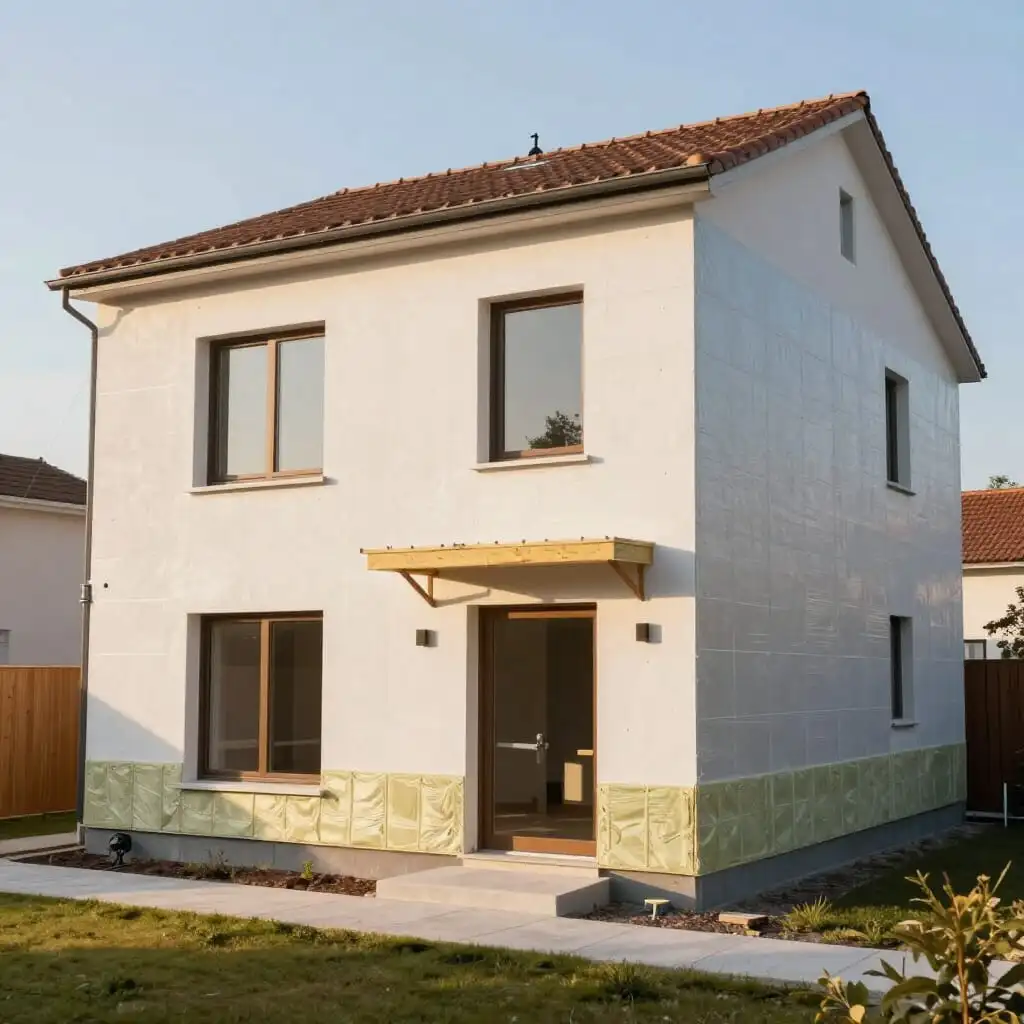 →
Wall Insulation: Interior vs. Exterior? Full Comparison
Compare interior (ITI) vs. exterior (ITE) wall insulation. Learn the pros, cons, costs, and how to choose the best option for your home renovation.
Lire l'article →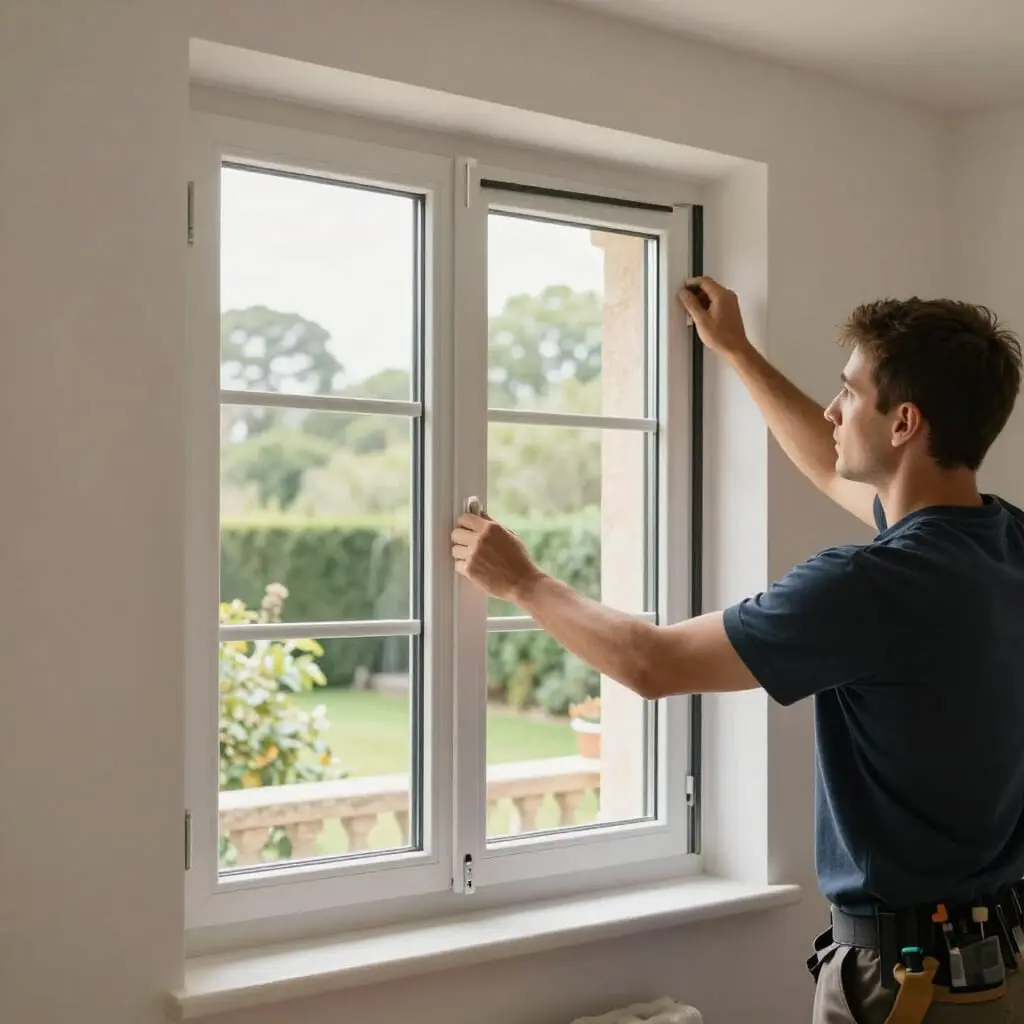 →
Window Replacement: Is It Worth the Investment in 2026?
Is replacing your windows worth it? Discover costs, energy savings, 2026 government subsidies, and the real ROI for your home improvement project.
Lire l'article → →
Home Renovation Financing: 2026 Grants and Loans
Learn how to fund your home renovations. From government grants and eco-loans to condo financing: the complete guide to managing your budget.
Lire l'article → →
Attic Insulation: Why It’s Your #1 Renovation Priority
Learn why attic insulation is a top priority: up to 30% of heat escapes through the roof. 4-7 year ROI. Discover how to save…
Lire l'article →